

How To Spot Fraud & Scams
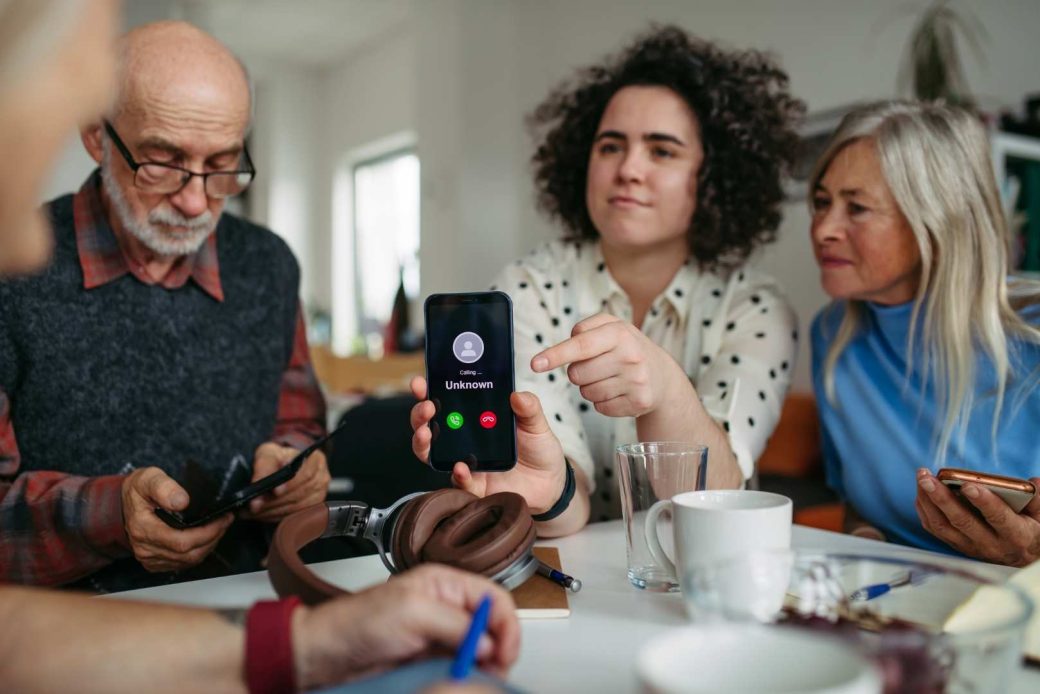
Scammers are everywhere, and their tricks can sometimes feel convincing or even urgent. The key to staying safe is knowing what to look for.
Most scams share similar red flags. If you notice one or more, slow down and take a closer look. Watch For These Common Warning Signs:
Examples:
“Your account will be locked in 30 minutes unless you act now.”
“Move your money immediately to protect it from fraud.”
“This opportunity closes today—don’t miss out.”
Impersonation: Pretending to Be Someone You Trust
Scammers often pose as legitimate organizations or people.
Common Targets:
- Banks or credit card companies
- Government agencies (IRS, Social Security, law enforcement)
- Utility companies
- Employers, coworkers, or family members
Examples:
- A caller claiming to be from your bank asks you to share a one-time security code.
- A text message appears to come from the IRS demanding immediate payment.
- An email claims your utility service will be shut off unless you pay today.
What to Know:
Legitimate organizations will never ask for your password, one-time codes, or payment via gift cards or cryptocurrency.
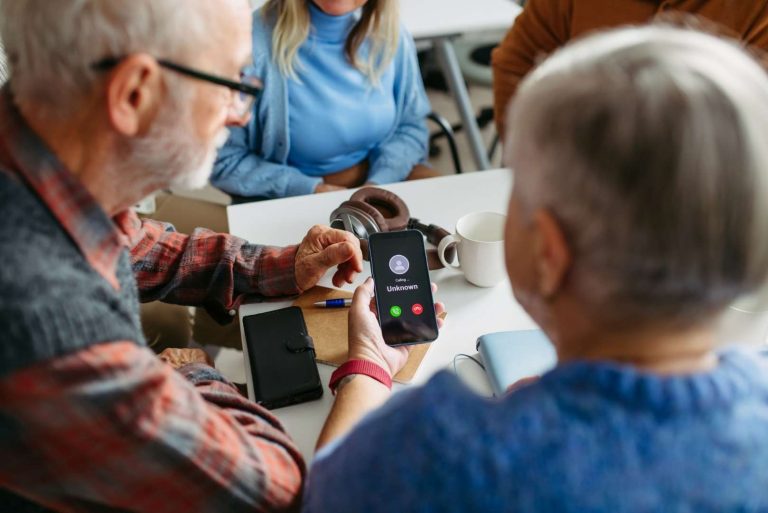
Phone Call Red Flags
Be Cautious If a Caller:
- Pressures you to act immediately
- Asks for account numbers, PINs, or security codes
- Threatens arrest, fines, or account closure
- Requests payment over the phone
Examples:
- A caller claims to be law enforcement and threatens arrest.
- Someone says your Social Security number has been compromised.
- A “bank representative” asks you to move funds to a “secure” account.
What to Do:
Hang up and call the organization directly using a known, trusted phone number.
Text Message (Smishing) Red Flags
Scam texts are designed to get you to click quickly.
Watch For Texts That:
- Contain unexpected links
- Use shortened or misspelled URLs
- Claim suspicious account activity
- Ask you to “verify” or “confirm” information
Examples:
- “Unusual activity detected. Click here to secure your account.”
- “Your package is delayed—confirm delivery details now.”
- “Your account has been suspended. Verify immediately.”
What to Do:
Do not click links. Contact your local branch if you’re unsure.
Email (Phishing) Red Flags
Scam emails often look legitimate but contain subtle clues.
Be Suspicious of Emails That:
- Contain spelling or grammar errors
- Use generic greetings like “Dear Customer”
- Ask you to click links or download attachments
- Come from slightly altered email addresses
Examples:
- An unexpected invoice asking for payment.
- A fake refund or prize notification requiring action.
- An email requesting you to “confirm” login credentials.
What to Do:
Hover over links (without clicking) to check the destination. When in doubt, delete the email.

Online & Social Media Scam Red Flags
Scams increasingly appear on social platforms and marketplaces.
Watch For:
- Investment tips from strangers
- Requests to move conversations off the platform
- Fake giveaways or prize announcements
- Requests for upfront fees or payments
Examples:
- A social media message promising guaranteed crypto returns.
- A “seller” asking you to pay outside the marketplace.
- A fake giveaway requesting a small “processing fee.”
What to Do:
Never send money or personal information to people you haven’t verified.
Payment Requests That Should Raise Concern
Scammers prefer payment methods that are hard to reverse.
Be Cautious If Asked to Pay With:
- Gift cards
- Wire transfers
- Cryptocurrency
- Peer-to-peer payment apps (Venmo, Cash App, PayPal, etc.) under pressure
Examples:
- Being told to pay taxes or fines with gift cards.
- A vendor insisting on a wire transfer instead of an invoice.
- A scammer asking for cryptocurrency to “unlock” funds.
Important
Once sent, these payments are often irreversible.
Before You Send Money or Information, Pause and Ask:
Was I expecting this request?
Am I being pressured to act quickly?
Am I being asked to keep this a secret?
Can I independently verify the request?
If anything feels off, stop and call your local branch or our Customer Care Center at 888-816-8064

When in Doubt, Contact Us
If you’re unsure whether something is a scam:
- Pause the transaction
- Contact your local branch or call our Customer Care Center at 888-816-8064
- Ask a banker to review the situation
A legitimate request will still be there tomorrow. A scam relies on urgency.